Commercial Cleaning Experts Brampton
Your facility requires regular sanitation protocols tailored to unique hazards, daily throughput, allergen management, and regulatory visits, including verifiable documentation confirming food safety measures, compliance audits, and public health regulations. The information following give guidance on sanitation program requirements.
Important Highlights
- Sanitation experts in Brampton cater to restaurants, grocery departments, commissaries, warehouses, bakeries, schools, mobile vendors, and allergen-sensitive operations.
- Area-specific procedures clean frequently contacted areas, food-contact equipment, kitchens, floors, drains, restrooms, and storage areas for reducing cross-contamination.
- Confirmation of proper chemical concentration, compatibility, and contact time is completed by certified vendors, with finishing documented using swabs, audits, and remedial documentation.
- Hygiene plans ought to comply with risk, output capacity, format changes, accidents, and requirements, with daily, periodic, and seasonal tasks designated by zone.
- Vendors should demonstrate HACCP, public-health understanding, WHMIS preparation, protection, endorsements, coded implements, and assessment-ready cleaning documentation.
Which Brampton Venues Need Food Safety Cleaning?
Food safety cleaning is necessary for any Brampton facility that handles, maintains, prepares, packages, or offers food. Apply it to your facility if it falls within health inspections, food codes, or HACCP requirements. This includes dining establishments, break rooms, distribution centers, market departments, meat shops, fish areas, stores, and food prep kitchens.
Proper hygiene protocols proves needed in storage facilities, production centers, refrigerated warehouses, bakeries, school nutrition services, event spaces, and delivery hubs. Portable temporary ventures are included, examples being catering vehicles, festival vendors, and pop-up establishments. Your establishment needs documented cleaning protocols should your workers prepare supplies, portion finished foods, reheat dishes, or organize allergen inventory. In Brampton, sanitation stays elective; it comprises legal, operational, and consumer protection compliance.
What Do Brampton Cleaning Experts Clean?
Professional cleaning teams specializing in Brampton sanitize touched surfaces, kitchen facilities, floors, and restrooms to satisfy food safety standards and health requirements. Focus on these locations occurs because they pose maximum contamination danger, injury hazards, and compliance issues.
By knowing exactly what gets cleaned, you can make sure your facility's cleaning procedures satisfy all operational and regulatory requirements.
Sterilizing High-Touch Areas
set how periodically each zone is cleaned
confirm that cleaning is successful and support improvement actions when results come outside target ranges
Food Prep Areas, Flooring, and Sanitary Facilities
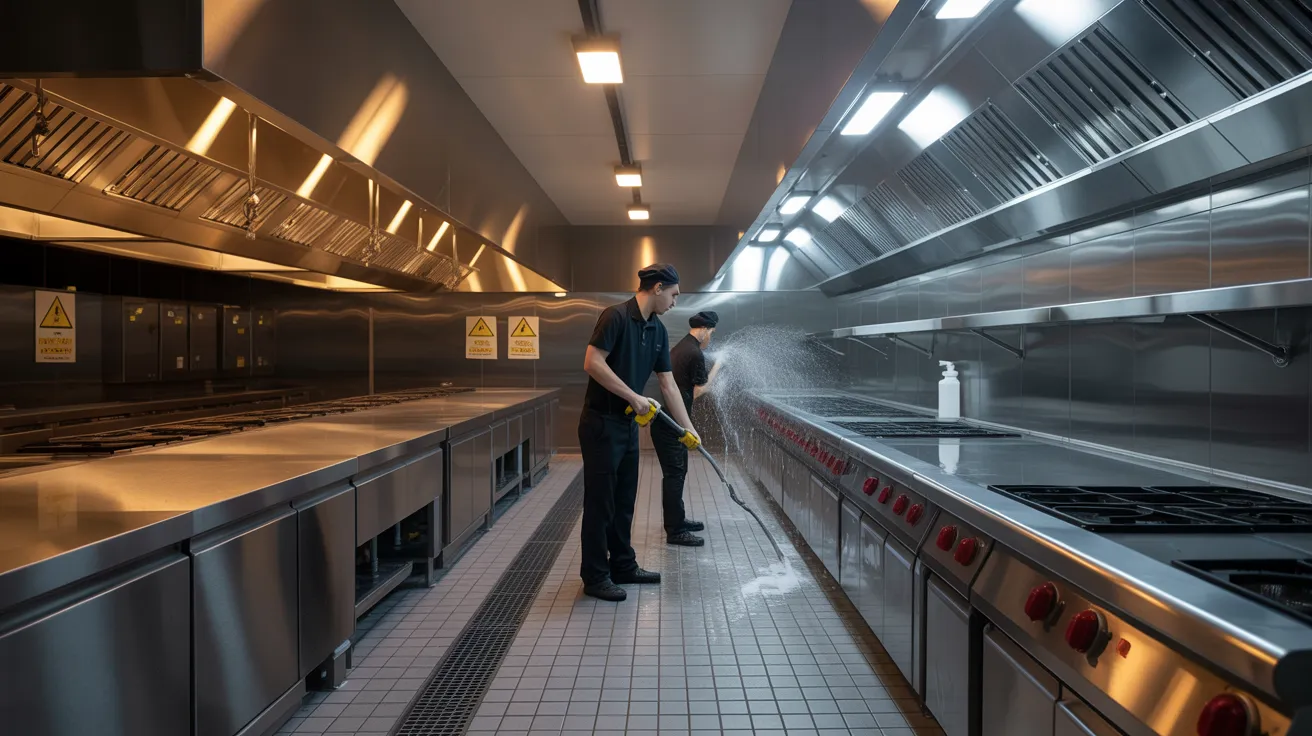
Brampton cleaning professionals will address kitchens, floors, and restrooms since each space presents different hygiene concerns, slip-and-fall, and community health challenges. In industrial kitchens, you need grease removal from cooking stations, appliance surfaces, drain systems, preparation areas, and backsplashes to reduce contamination and pest pressure.
Floor care that is recorded should also be anticipated. Technicians scrub and extract buildup from grout, tile, and vinyl flooring, then apply suitable dehydration methods so you can reduce slip incidents and meet regulatory standards. They also handle entryways where moisture and debris migrate indoors.
Restroom cleaning involves sanitizing touchpoints, fixtures, partitions, dispensers, and waste containers, restocking supplies and controlling odours. They also service restaurant moprooms, where chemical storage, sink hygiene, and drainage conditions can affect sanitation compliance and staff safety daily.
The Importance of Food Safety Cleaning in Brampton
To comply with health code requirements and succeed in audits, Brampton facilities must follow food-safe cleaning standards. You also reduce bacterial spread through proper cleaning of food-preparation surfaces, appliances, and frequently-touched items. Most importantly, you help protect public health by lowering the risk of foodborne illness in your facility.
Regulatory Code Requirements
Food businesses in Brampton face rigorous sanitary regulations, making food safety cleaning vital to satisfying health code requirements, defending patrons, and avoiding enforcement action. You must maintain sanitary food-contact surfaces, verifiable cleaning logs, proper chemical use, and traceable training practices that correspond to municipal and provincial inspection expectations.
During inspections of your operation, auditors analyze if your sanitation system ensures protected inventory management, appliance cleanliness, waste handling, and restroom sanitation.
Cross-Contamination Prevention
Adhering to health code standards requires your expertise in stopping cross-contamination throughout routine preparation and sanitation work. You need to separate raw ingredients from ready-to-eat foods, clean prep surfaces between tasks, and keep chemicals away from food-contact items. Structured procedures reduce transfer risks and maintain ongoing regulatory adherence.
Implementing allergen separation helps ensure major allergens don't touch communal work zones, bins, or devices. Deploy dedicated cutting boards, color-coded tools, and strict utensil labeling so staff don't mix items during preparation or service. Enforce hand hygiene following fresh proteins, aquatic items, egg products, or allergen materials. Refresh cleaning cloths often, and validate disinfectant levels using test strips. When you train staff to follow these controls every shift, you establish a more hygienic, safer workplace that meets Brampton's food safety expectations daily.
Public Health Safeguarding
If food safety cleaning deteriorates, you don't merely risk a failed inspection—you amplify the risk of pathogenic contamination affecting customers, staff, and the broader Brampton region. You also weaken your role in protecting public health, especially in high-traffic food premises where pathogens travel quickly through surfaces, equipment, and touchpoints.
You need cleaning protocols that eliminate soils, disinfect appropriately, and explore article confirm results. This requires following exposure durations, selecting approved disinfectants, documenting procedures, and educating staff to satisfy regulatory requirements. These controls promote illness spread by decreasing microbial counts before contaminating food or hands. Throughout Brampton, effective sanitation safeguards susceptible populations, minimizes disease potential, and demonstrates your diligence. When you follow proper protocols, you go beyond requirements—you lower hazards and enable safer food service region-wide.
In What Ways Does Cleaning Help Achieve Food Safety Compliance?
Establishing strict sanitation practices backs food safety compliance by minimizing contamination hazards, managing pathogen expansion, and positioning your facility in accordance with sanitation requirements under HACCP-based programs and public health regulations. You ensure that food-contact surfaces stay visibly clean and microbiologically controlled, supporting documented preventive controls and inspection readiness.
Effective cleaning also improves allergen prevention by extracting residues that can trigger undeclared allergen exposure. by removing residues that can provoke undeclared allergen exposure.
What's the Right Time to Arrange Commercial Cleaning?
high-volume production periods, product transitions, spillage events
plan cleaning right prior to and immediately [[after for successful event transition.
Finding Quality Brampton Cleaning Experts: A Guide
Screen providers initially by their food hygiene standards—not budget alone. You need to confirm that every company meets CFIA, public health, and HACCP-aligned expectations for your operation. Demand proof of insurance, WHMIS compliance, training records, and management systems. Evaluate technician knowledge of contamination dangers, chemical safety, and documented sanitation practices.
You must also evaluate operational reliability and oversight. Seek references from Brampton food companies, then assess response speed, corrective processes, and communication standards. Ensure the company enables supplier checks and can provide inspection-compliant records when authorities or third parties demand verification. Verify equipment care, color-coded items are deployed correctly, and operational-specific risks are understood. A qualified provider protects compliance, product integrity, and your market standing.
What's covered in a sanitation cleaning strategy?
Write out a plan that outlines every sanitation activity, guideline, and role before starting production. You should include cleaning frequencies, approved chemicals, dilution rates, contact times, tools, and verification methods for each zone, surface, and piece of equipment. Ensure you include pre-operational inspections, corrective actions, and employee training requirements.
Your plan should also include cross-contamination controls, waste handling, pest-prevention measures, and documented schedules for bathrooms, drainage, ground surfaces, and food-handling zones. Clarify how you'll separate raw and ready-to-eat processes, support ingredient tracking, and maintain accurate allergen labeling through validated cleaning between product changes. You should establish accountability, maintain signed records, and review results against regulatory standards, HACCP controls, and customer requirements. When gaps appear, adjust procedures immediately and retrain staff.
Popular Inquired Questions
Are sanitation providers available for nighttime operations in Brampton properties?
Yes, you can arrange sanitation coverage to manage overnight shifts in Brampton facilities. You'll coordinate nighttime cleaning around operational windows, security measures, and personnel needs. Providers typically establish overnight logistics to reduce disruption, ensure compliance, and document completed tasks. You should confirm arrival timeframes, management, lockout procedures, and waste handling before beginning service. If you operate regulated spaces, you'll also want cleaning records that enable audits and compliance verification.
Are emergency spill response services available from Brampton cleaning experts?
Yes, you can find many Brampton sanitation professionals who offer hazard containment services. They manage hazardous materials, evaluate dangers, contain contamination, and start rapid decontamination to reduce exposure and avoid operational disruption. You should verify arrival timeframes, professional credentials, safety procedures, and waste management. If your facility must meet regulatory requirements, select a service that records events, follows compliant standards, and supports audit readiness.
Will eco-friendly disinfectants clean safely food-contact surfaces?
Absolutely, eco-friendly disinfectants prove to be secure for food preparation areas when you opt for items marked food-safe and meeting regulatory standards. You must verify contact duration, concentration levels, and rinse procedures before use. Botanical formulations reduce chemical burden, though you require proof of efficacy against relevant pathogens. For ensuring residue-free conditions, stick to precise manufacturer instructions and verify your disinfectant satisfies relevant food safety standards.
Can maintenance plans adjust with seasonal production changes?
Without question, cleaning plans customize readily for seasonal shifts. Adapt timing, staff levels, sanitizers, and confirmation procedures to correspond to production rhythms while sustaining regulatory compliance. Reduce operational delays by scheduling sanitation around line changes, peak seasons, and usage cycles. Additionally update SSOPs, training, and facility monitoring to capture seasonal hazards, new allergens, or increased soil loads. Regular reviews preserve the strategy functional.
Are commercial cleaners providing employee instruction on sanitation best practices?
Certainly, professional cleaning experts train your employees on sanitation best practices. You obtain employee development on proper chemical use, processing times, contamination control, machine disassembly, and documentation procedures. They typically align instruction with HACCP, GMP, and CFIA or local public health requirements. Many execute health assessments to check standards, uncover shortcomings, and strengthen corrective measures. This helps you copyright standard processes, satisfy audits, and minimize foodborne pathogen risks daily.
Conclusion
By partnering with Brampton commercial cleaning and food safety professionals, you aren't simply tidying—you keep your operation compliance-focused and your practices in compliance. From kitchens to processing floors, every clean surface and organized space reduces pest risk and avoids expensive losses. By arranging service on the right schedule and adhering to a systematic cleaning protocol, you secure your team, customers, and your credibility. In a heavily controlled environment, hygienic conditions are mandatory—they're essential to successful operations.